Roof Installation Services Overview in High River, Okotoks, & Diamond Valley, AB
Roof installation in High River, Okotoks, & Diamond Valley, AB requires careful planning, material selection, and execution due to the region’s varying weather conditions, including heavy snowfall, wind exposure, and seasonal temperature shifts. Highwood Roofing provides structured roof installation services designed to support both residential and commercial properties across High River, Okotoks, & Diamond Valley, AB.
Roof installation involves more than placing shingles or panels on a structure. It includes evaluating structural load capacity, selecting appropriate roofing systems, and ensuring proper alignment with local building standards. Each installation is approached as a complete system rather than a single surface application, ensuring that every layer of the roof contributes to long-term structural integrity.
This service page outlines how roof installation is approached, from initial assessment through final completion, focusing on technical execution and compliance with regional construction requirements.
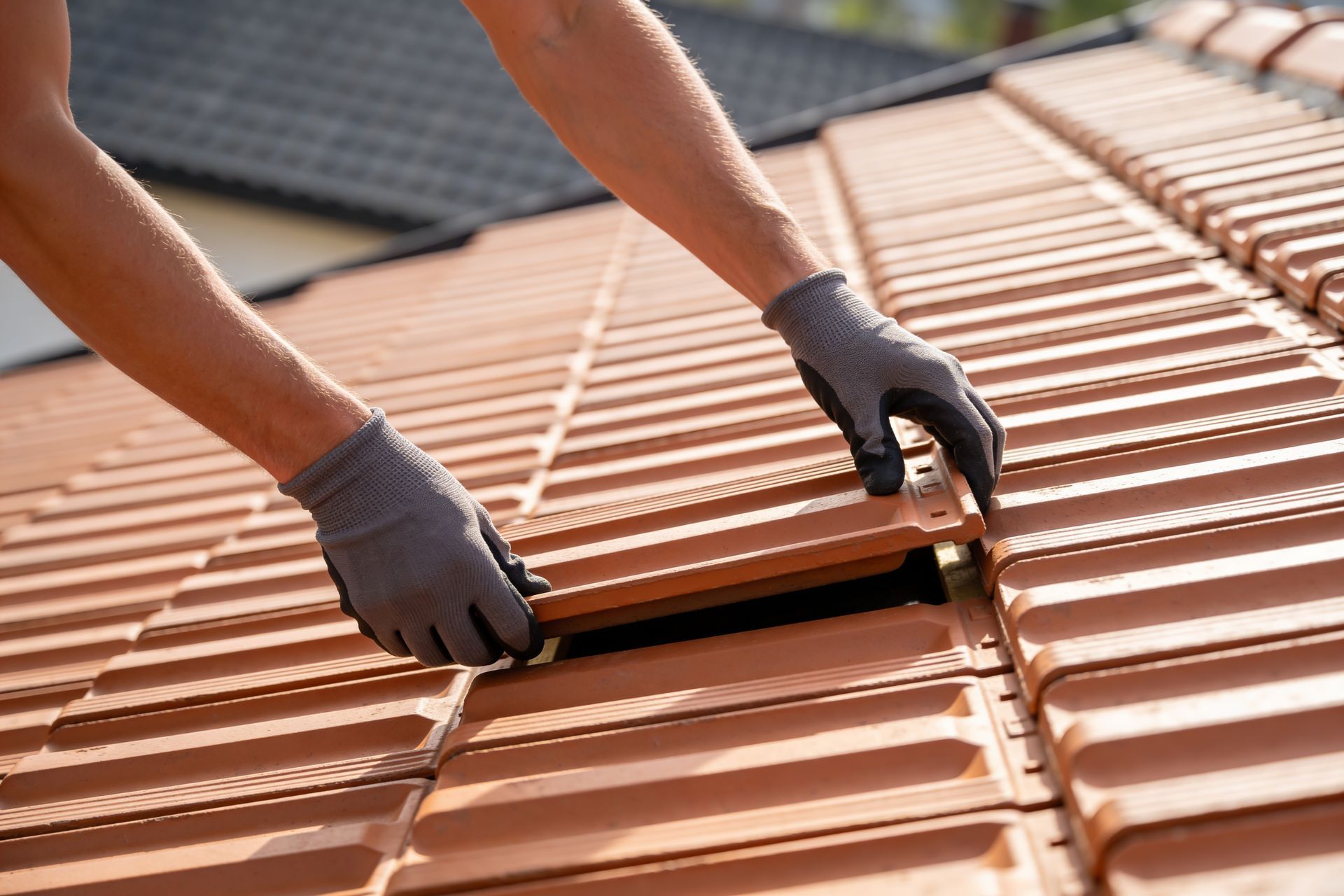
Initial Roof Assessment and Project Planning
Serving High River, Okotoks, & Diamond Valley, AB
Before any roof installation begins, a detailed assessment of the structure is carried out to understand existing conditions and requirements. This stage helps determine the appropriate roofing system and installation method based on building type and environmental exposure.
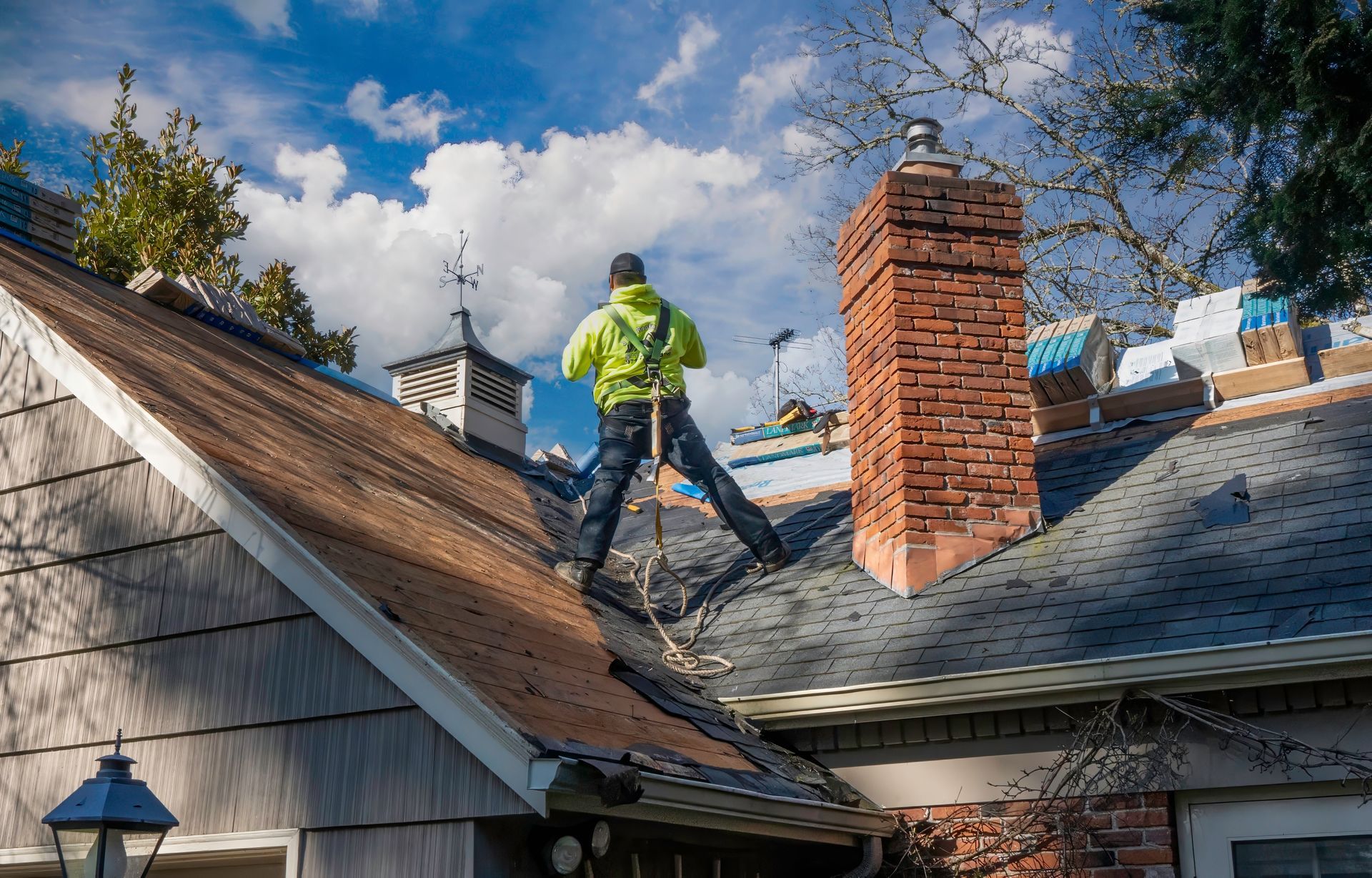
The roof structure is evaluated to determine slope, load-bearing capacity, ventilation pathways, and existing substrate conditions. Accurate measurements are taken to ensure proper material estimation and alignment during installation. Attention is given to framing stability and any signs of previous water intrusion or structural weakening.
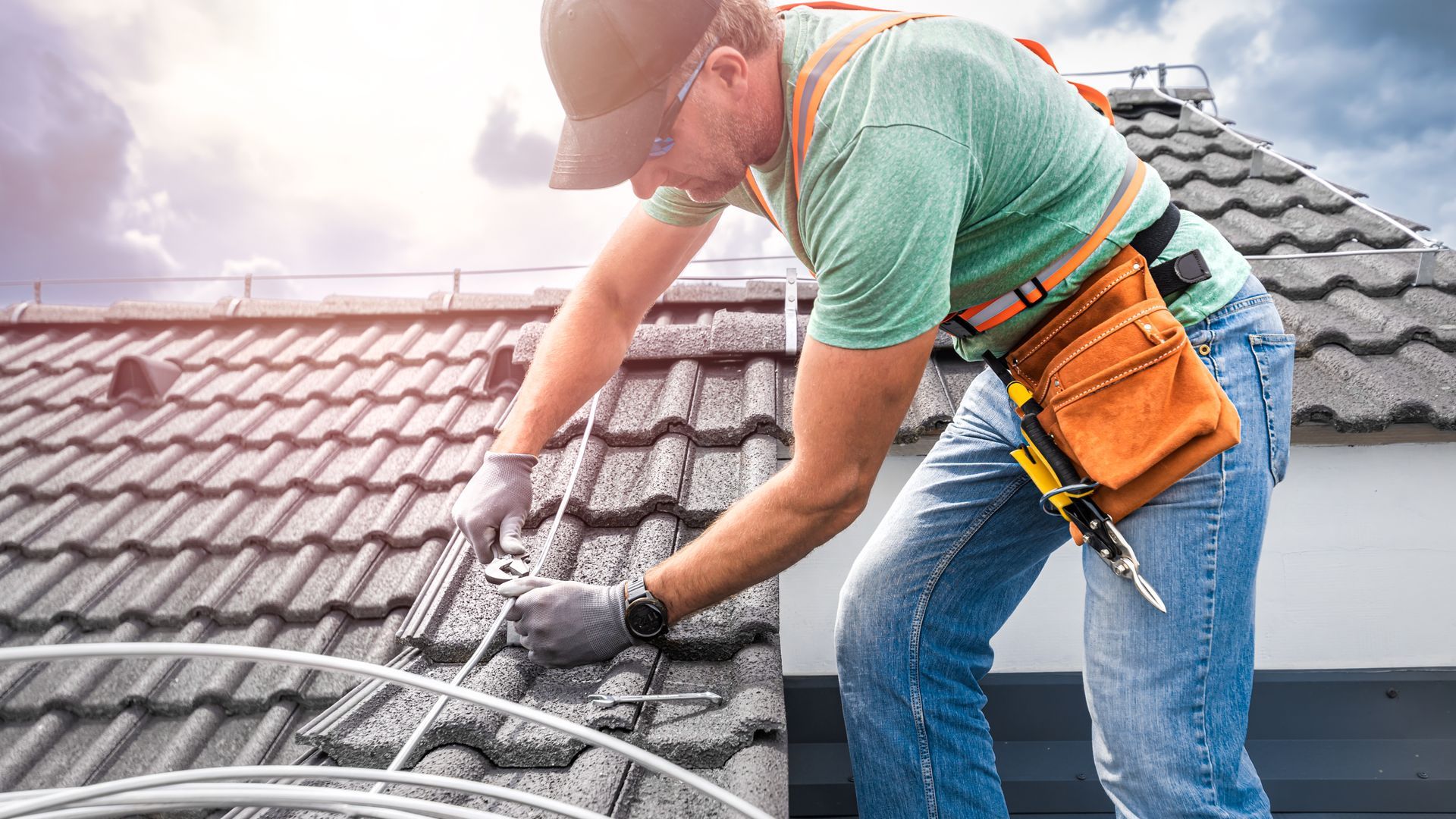
Once structural conditions are understood, a roof installation plan is developed. This includes outlining the installation sequence, identifying required materials, and establishing workflow coordination. The design phase ensures that the roof system aligns with both functional requirements and environmental demands specific to High River, Okotoks, & Diamond Valley, AB climate conditions.
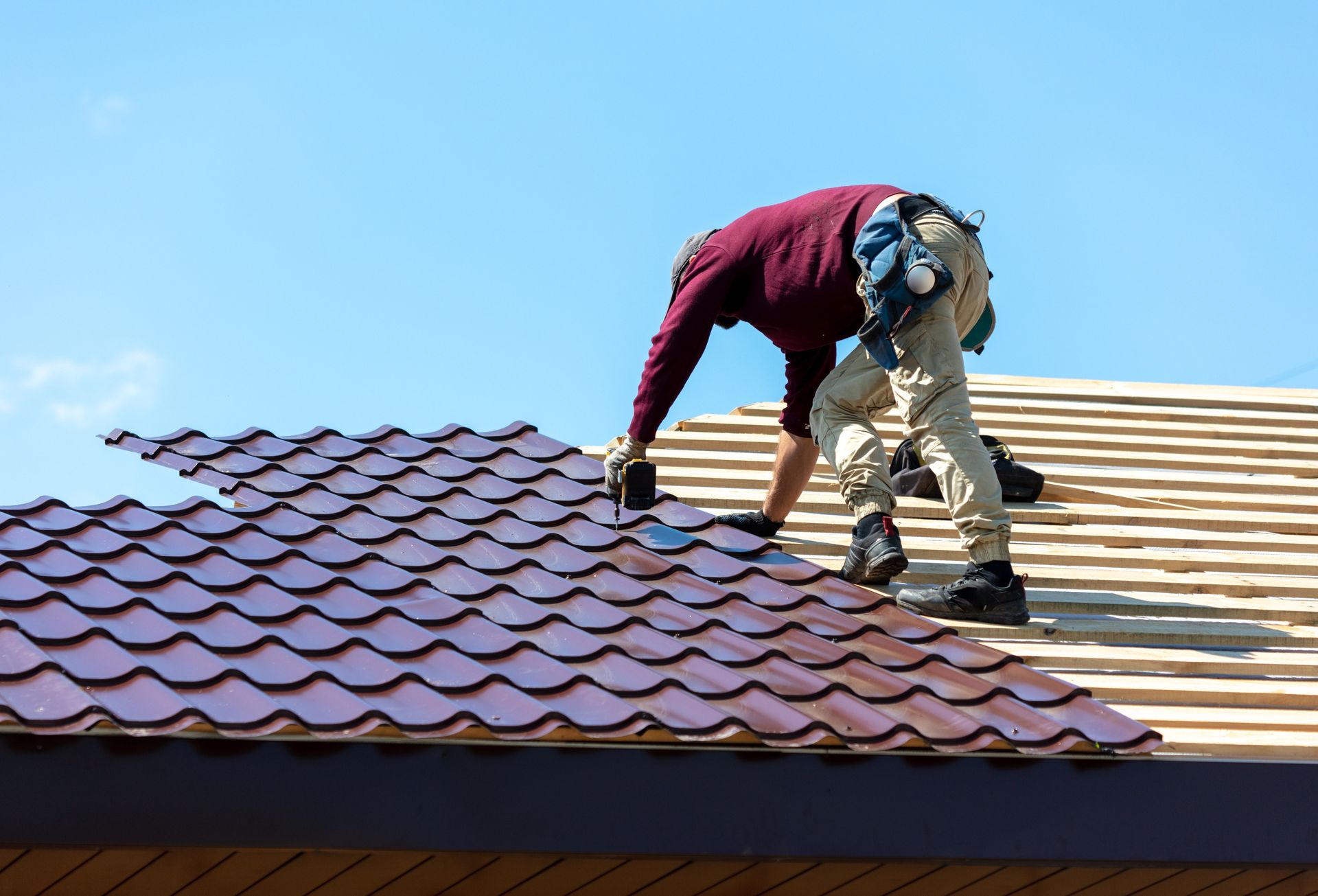
Roofing System Selection and Material Configuration
Roof installation success is heavily dependent on selecting the appropriate roofing system for the structure. Different materials provide different performance characteristics in terms of durability, insulation, and weather resistance.
Asphalt-Based Roofing Systems
Asphalt roofing systems are commonly used in residential installations due to their layered composition and adaptability to sloped surfaces. These systems are installed in overlapping sections to create a continuous protective barrier against moisture and wind uplift.
Metal Roofing Systems
Metal roofing is often selected for its rigidity and long service life. Panels are measured and cut to fit precise roof dimensions, ensuring proper water runoff and resistance to snow accumulation. Metal systems require accurate fastening and sealing to accommodate thermal expansion and contraction.
Underlayment and Moisture Barriers
Beneath the visible roofing surface, underlayment materials are installed to provide an additional layer of protection. These membranes help manage moisture infiltration and reduce the risk of condensation forming within the roof structure.
Roof Installation Process and On-Site Execution
The installation phase involves systematic application of roofing components in a controlled sequence to ensure structural integrity and weather resistance.
Surface Preparation and Deck Conditioning
The roof deck is prepared by removing debris, correcting surface irregularities, and ensuring a clean, stable base for installation. Any compromised sections of the deck are addressed prior to material application to maintain consistency across the surface.
Installation of Base Layers
Once preparation is complete, underlayment materials are installed across the roof surface. These layers are positioned with precise overlap to maintain continuous coverage and minimize potential entry points for moisture.
Primary Roofing Material Application
The main roofing material is installed in alignment with manufacturer specifications and structural design requirements. Each section is secured in sequence to maintain uniform load distribution and ensure proper sealing across joints and edges.
Flashing and Edge Integration
Flashing components are installed around roof penetrations such as chimneys, vents, and valleys. These elements are critical in directing water away from vulnerable junctions and preventing seepage into structural openings.
Compliance with Building Standards and Climate Adaptation
Roof installation in High River, Okotoks, & Diamond Valley, AB must account for local building codes and environmental factors that influence long-term roof performance. Alberta’s climate requires roofing systems capable of handling freeze-thaw cycles, snow load accumulation, and wind exposure.
Building Code Alignment
All roof installation work is carried out in accordance with applicable municipal and provincial building regulations. These standards govern material performance, structural load capacity, and installation methods to ensure safe and compliant roofing systems.
Weather Resistance Considerations
Roofing systems are selected and installed with attention to temperature variation and precipitation patterns common in High River. Expansion gaps, fastening techniques, and sealing methods are adjusted to accommodate seasonal movement in materials.
Drainage and Snow Management Design
Proper slope and drainage design are essential to prevent water pooling and excessive snow buildup. Roof installation includes planning for water flow direction and controlled runoff to reduce structural stress during winter conditions.
Final Inspection and System Completion
After installation is completed, a comprehensive inspection is conducted to confirm that all components are properly installed and functioning as intended. This stage ensures that the roofing system is structurally sound and properly sealed.
Surface Integrity Review
The installed roof surface is reviewed for alignment consistency, fastening accuracy, and material uniformity. Any irregularities are corrected to ensure a continuous protective surface.
Sealing and Weatherproof Verification
Critical junctions, including flashing points and edge transitions, are inspected for proper sealing. This step ensures that the roof system is prepared to withstand exposure to precipitation and wind conditions.
Site Cleanup and Completion Handover
Once verification is complete, the installation site is cleared of construction materials and debris. The finished roof system is prepared for operational use, with attention given to ensuring that all installed components are stable and secure.
Ongoing Roof Performance Considerations
Following installation, roof systems are expected to perform under continuous environmental exposure. Periodic observation of surface conditions, drainage flow, and material stability supports long-term functionality. Roof installation in High River, Okotoks, & Diamond Valley, AB is designed to provide a durable structural covering that integrates with the building’s long-term maintenance cycle under the guidance of Highwood Roofing.