Introduction to Cedar Shake Roofing in High River, Okotoks, & Diamond Valley, AB
Cedar shake roofing in High River, Okotoks, & Diamond Valley, AB is a traditional roofing system made from natural wood materials that are shaped and installed to form a protective exterior layer over residential and select architectural structures. Highwood Roofing provides cedar shake roofing installation and replacement services throughout High River, Okotoks, & Diamond Valley, AB, with attention to material handling, structural alignment, and weather-adapted installation practices.
Cedar shakes differ from manufactured roofing systems because they are derived from natural wood, typically western red cedar, which contains natural oils that contribute to resistance against moisture absorption and decay. In High River, Okotoks, & Diamond Valley, AB, where roofing systems must perform under snow load conditions, seasonal moisture, and freeze-thaw cycles, cedar shake roofing requires precise installation techniques to maintain structural stability and controlled water shedding.
The installation process is more labor-intensive than standard roofing systems due to the variability of wood material thickness and grain structure. Each shake must be individually placed to ensure consistent overlap and surface alignment across the roof structure.
Cedar Shake Material Composition and Structural Characteristics
Serving High River, Okotoks, & Diamond Valley, AB
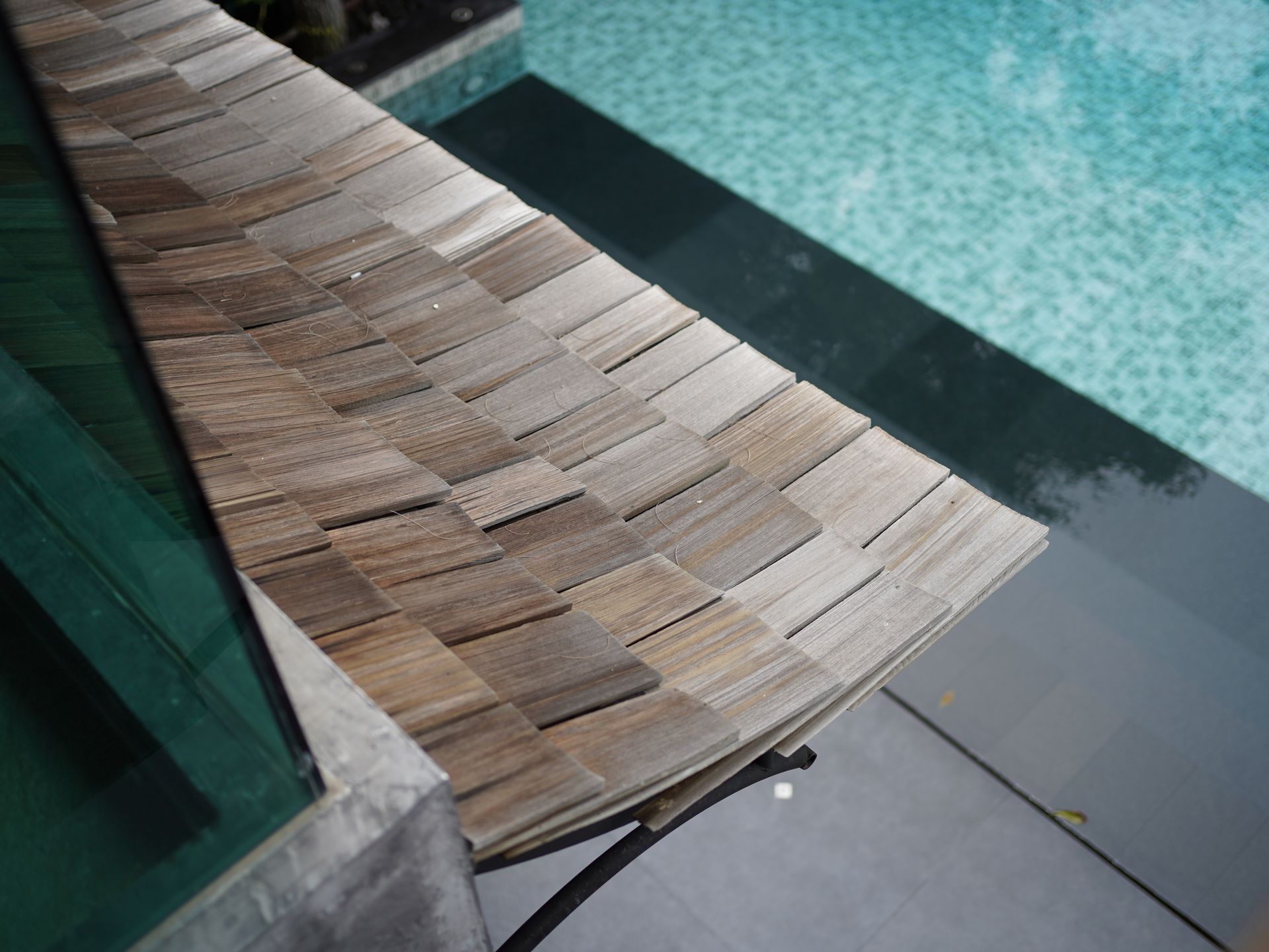
Cedar shake roofing systems are constructed from split or sawn wood pieces that vary in texture and thickness depending on manufacturing method and intended application. These variations influence installation technique and roof performance.
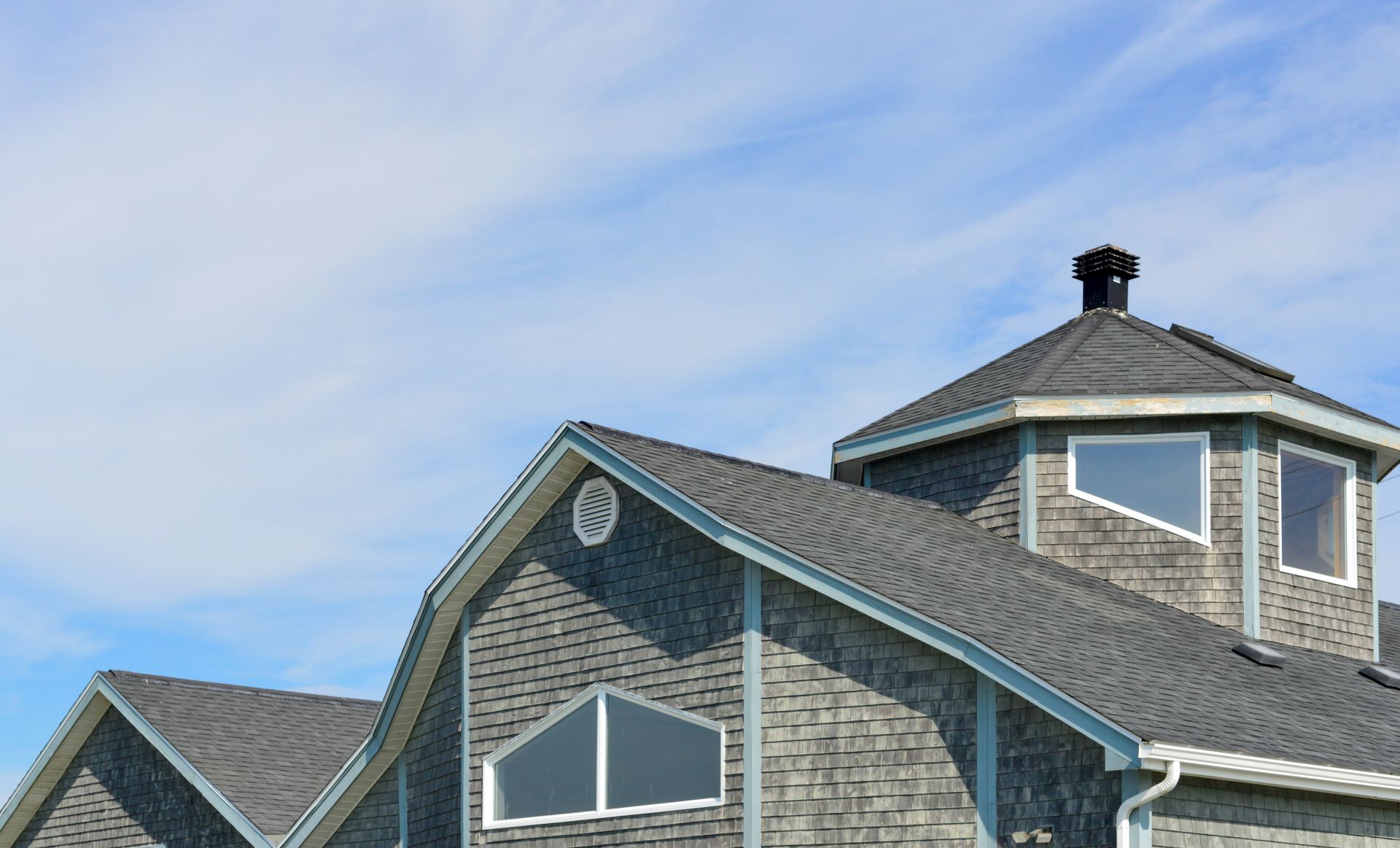
Hand-split cedar shakes are produced by manually splitting cedar logs along the grain. This process creates a rough, textured surface that enhances water runoff behavior by encouraging natural flow patterns across the roof surface. These shakes are typically thicker at the butt end, requiring careful layering during installation.
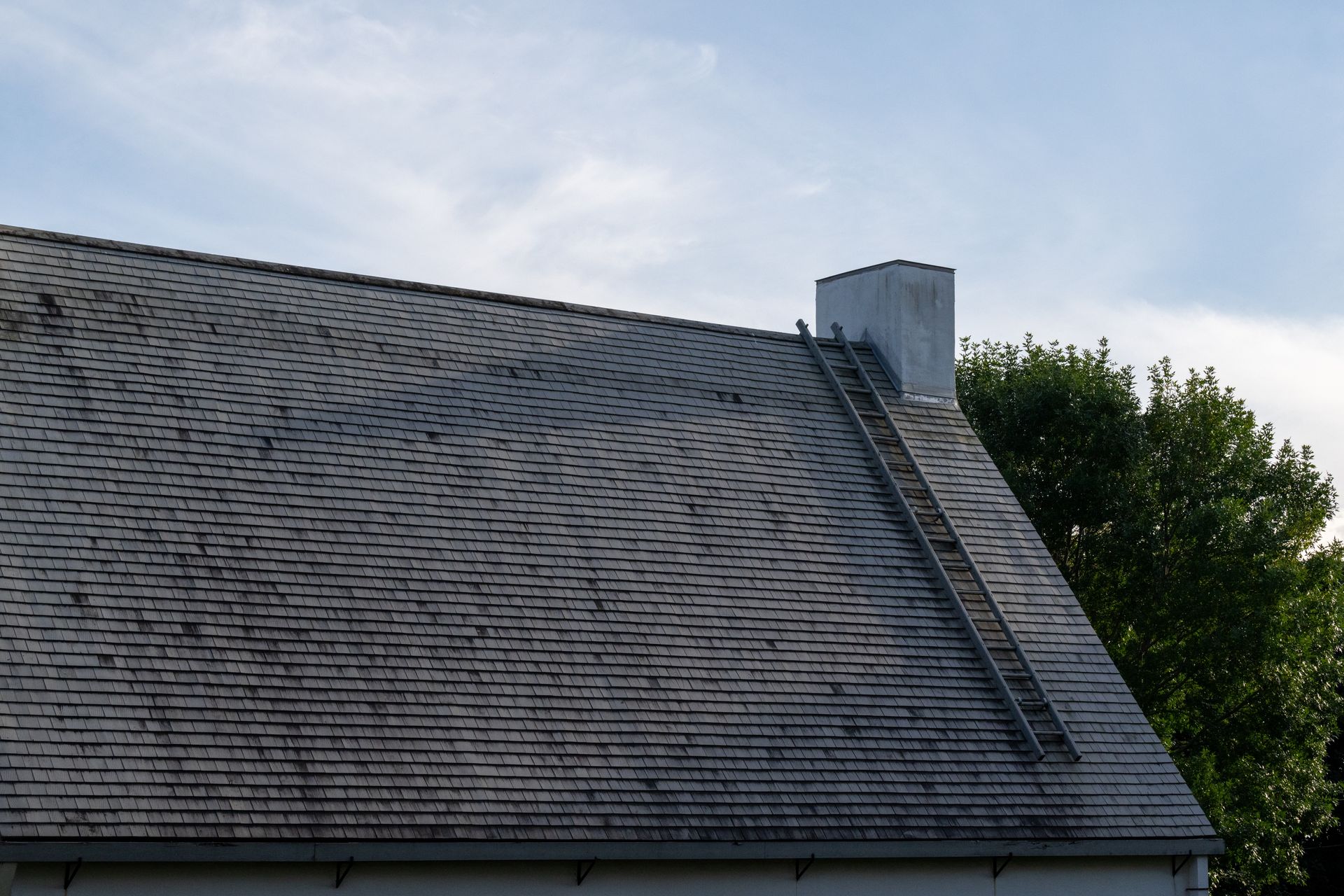
Taper-sawn shakes are machine-cut on both sides to create a more uniform appearance. This type of shake provides consistent thickness across each piece, which allows for more predictable alignment during installation while maintaining the natural appearance of wood roofing.
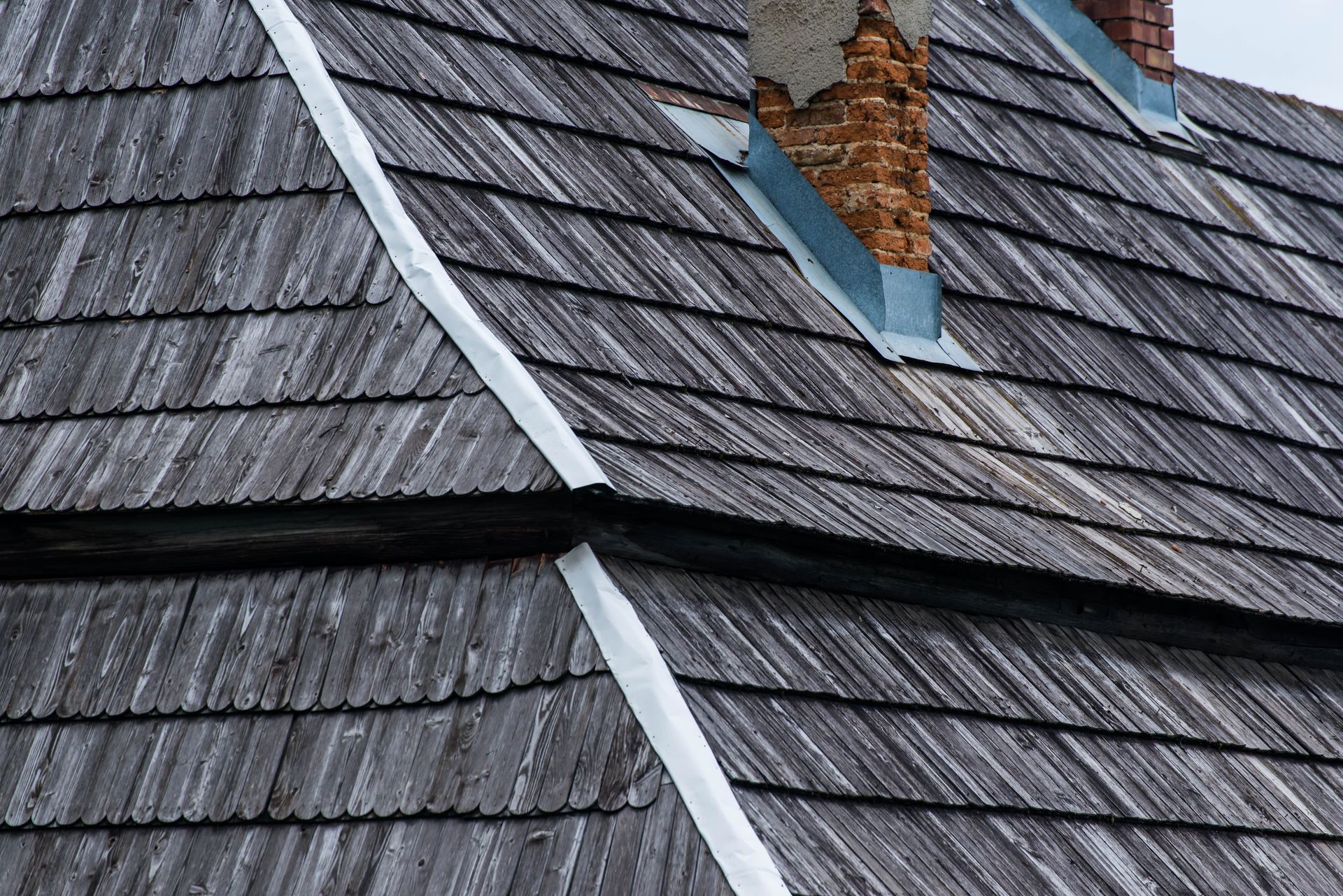
Some cedar shakes are treated with preservatives or fire-retardant solutions to improve resistance to moisture absorption, insect exposure, and environmental aging. In High River, Okotoks, & Diamond Valley, AB, treated materials are often selected for installations where long-term exposure to seasonal weather variation is expected.
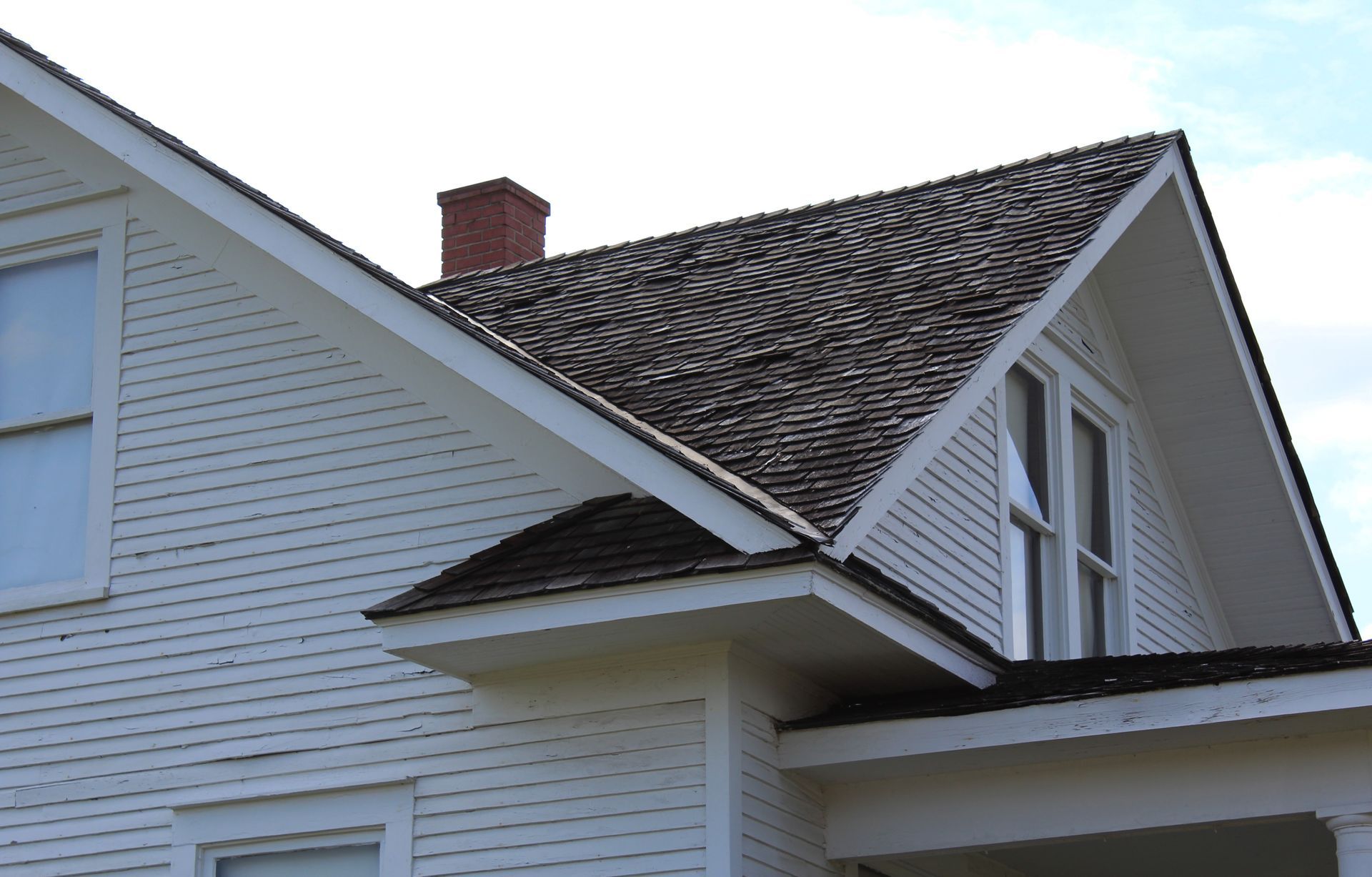
Cedar Shake Roofing Installation Process in High River, Okotoks, & Diamond Valley, AB
Cedar shake installation in High River, Okotoks, & Diamond Valley, AB follows a structured sequence that ensures proper layering, ventilation, and alignment across the roof surface. Each stage is critical to maintaining the integrity of the wood roofing system.
Roof Deck Preparation and Structural Assessment
Before installation begins, the roof deck is evaluated for structural stability. The surface must be clean, level, and capable of supporting the weight and layering requirements of cedar shakes. Any damaged sections of the deck are corrected to ensure a stable foundation.
Underlayment and Moisture Barrier Installation
A protective underlayment is installed across the roof deck to provide a secondary barrier against moisture infiltration. This layer is especially important in cedar shake roofing systems, as it helps manage water that passes between overlapping wood pieces.
Starter Course Installation
The starter course is installed along the roof edge to establish the foundation for the first row of shakes. This layer is carefully aligned to ensure proper spacing and water runoff direction from the lowest point of the roof upward.
Cedar Shake Placement and Layering
Cedar shakes are installed in overlapping rows, beginning at the roof edge and progressing upward. Each shake is positioned to maintain consistent exposure and spacing. Due to natural variations in thickness, adjustments are made during installation to preserve surface uniformity.
Shake Alignment and Exposure Control
Proper alignment ensures that each row of shakes overlaps the one below it sufficiently to direct water away from the roof structure. Exposure control is maintained by adjusting spacing between rows based on shake thickness.
Fastening and Secure Attachment
Each shake is secured using corrosion-resistant fasteners placed at specific points to ensure stability without splitting the wood material. Fastening patterns are designed to accommodate natural wood movement over time.
Climate Considerations for Cedar Shakes in High River, Okotoks, & Diamond Valley, AB
Cedar shake roofing in High River, Okotoks, & Diamond Valley, AB must be installed with consideration for Alberta’s climate conditions, which include temperature fluctuations, snow accumulation, and seasonal moisture exposure.
Moisture and Snow Interaction
Cedar shakes are exposed to snow and moisture throughout the year. Proper installation ensures that water flows through overlapping layers without accumulating beneath the surface. The underlayment system plays a key role in managing moisture that penetrates between shakes.
Freeze-Thaw Cycle Response
High River, Okotoks, & Diamond Valley, AB experiences repeated freeze-thaw cycles that affect building materials. Cedar shakes expand and contract naturally with temperature changes, making proper spacing and ventilation essential to prevent structural stress within the roofing system.
Wind Exposure and Surface Stability
Wind conditions can affect the outer layers of cedar shake roofing, particularly along roof edges and ridge lines. Installation techniques in High River, Okotoks, & Diamond Valley, AB include reinforced fastening in these areas to maintain surface stability under wind pressure.
Structural Integration and Roofing System Design
Cedar shake roofing systems require integration with other structural components to ensure proper ventilation, drainage, and long-term performance.
Roof Ventilation Configuration
Proper ventilation is essential in cedar shake roofing systems to regulate moisture levels beneath the roof surface. Ventilation pathways are designed to allow air circulation through attic spaces, reducing the risk of trapped moisture affecting wood materials.
Flashing Installation at Transition Points
Flashing is installed around roof intersections such as chimneys, valleys, and skylights. These areas require precise sealing to prevent water intrusion where cedar shakes meet structural penetrations.
Drainage Pathway Alignment
Cedar shake roofing systems rely on natural slope design to guide water flow. Roof planes are aligned to ensure that water moves efficiently across the surface and away from structural joints.
Cedar Shake Roof Performance and Installation Precision
The performance of cedar shake roofing in High River depends on installation accuracy, material condition, and structural alignment across the entire roof system.
Material Consistency and Placement Variation
Because cedar shakes are natural materials, variations in thickness and grain are expected. Installation requires continuous adjustment to maintain even surface layering and consistent water-shedding performance.
Fastening Stability and Movement Accommodation
Fasteners must secure shakes while allowing for natural wood expansion and contraction. Improper fastening can restrict movement and lead to surface splitting or misalignment over time.
Surface Layer Continuity
Maintaining continuous overlap between shake rows is essential for water resistance. Each layer must be positioned to ensure that water is directed downward without interruption through the roofing surface.
Final Inspection and Completion of Cedar Shake Roofing Projects
After installation is completed, cedar shake roofing systems in High River, Okotoks, & Diamond Valley, AB undergo a detailed inspection to verify structural alignment, moisture control design, and installation accuracy.
Surface Alignment Evaluation
The roof surface is inspected for consistent layering, proper exposure, and alignment of individual shakes. This ensures that the roofing system maintains uniform water-shedding capability across all roof sections.
Structural and Ventilation Assessment
Ventilation systems and structural components are reviewed to confirm that airflow and moisture control functions are operating as designed. Proper integration is essential for maintaining long-term wood roofing performance.
Site Cleanup and Project Completion
Once inspection is complete, all installation materials and debris are removed from the site. The cedar shake roofing system is finalized and prepared for long-term exposure to High River, Okotoks, & Diamond Valley, AB environmental conditions.