Introduction to Asphalt Roofing Services in High River, Okotoks, & Diamond Valley, AB
Asphalt roofing in High River, Okotoks, & Diamond Valley, AB is one of the most commonly used roofing systems for residential and light commercial structures due to its adaptable design and suitability for local weather conditions. Highwood Roofing provides asphalt roofing installation and replacement services throughout High River, Okotoks, & Diamond Valley, AB, focusing on structured installation methods that align with Alberta’s building environment.
Asphalt roofing systems are designed using layered materials that create a protective surface capable of withstanding snow loads, wind exposure, and seasonal temperature fluctuations. In High River, Okotoks, & Diamond Valley, AB, where roofs must endure freeze-thaw cycles and periods of heavy precipitation, asphalt roofing is frequently selected for its compatibility with sloped roof structures and its ability to integrate with standard residential construction frameworks.
The installation of asphalt roofing requires precision in layering, alignment, and sealing to ensure long-term structural performance. Each section of the roofing system must be installed in a controlled sequence to maintain consistency across the entire surface.
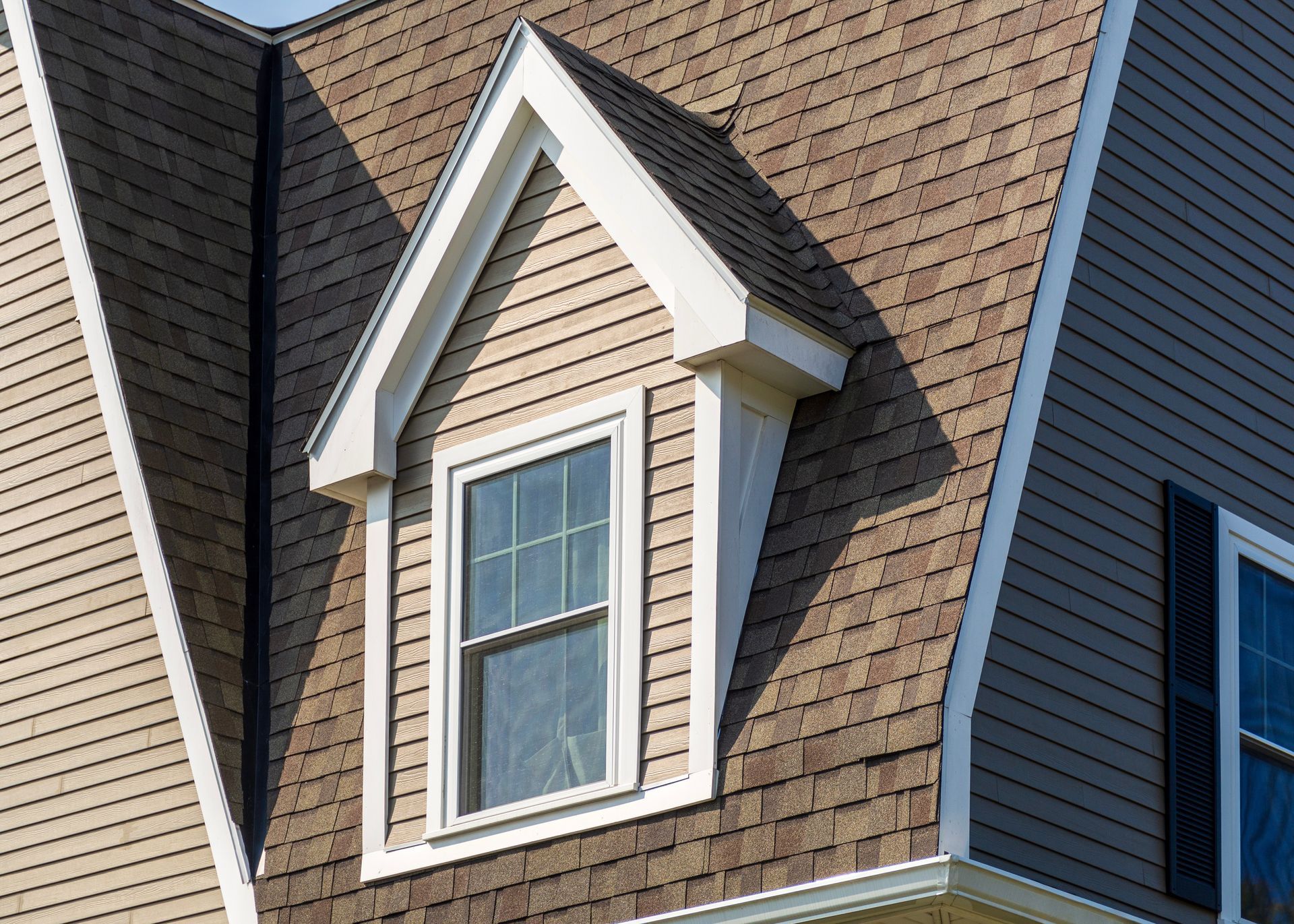
Asphalt Roofing Material Composition and System Types
Serving High River, Okotoks, & Diamond Valley, AB
Asphalt roofing systems are constructed using multiple components that work together to create a weather-resistant barrier. These components are selected based on structural requirements and environmental exposure in High River.
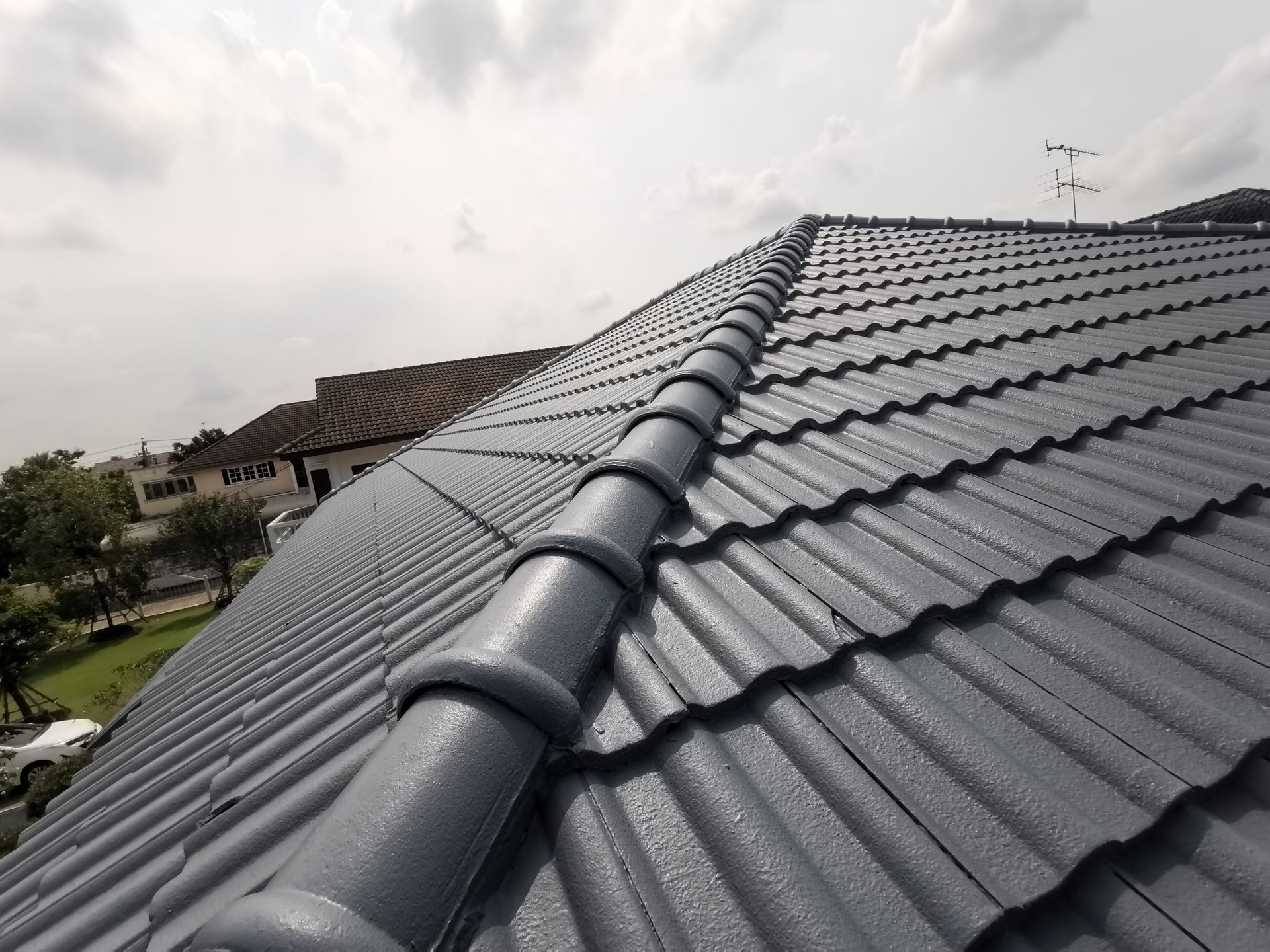
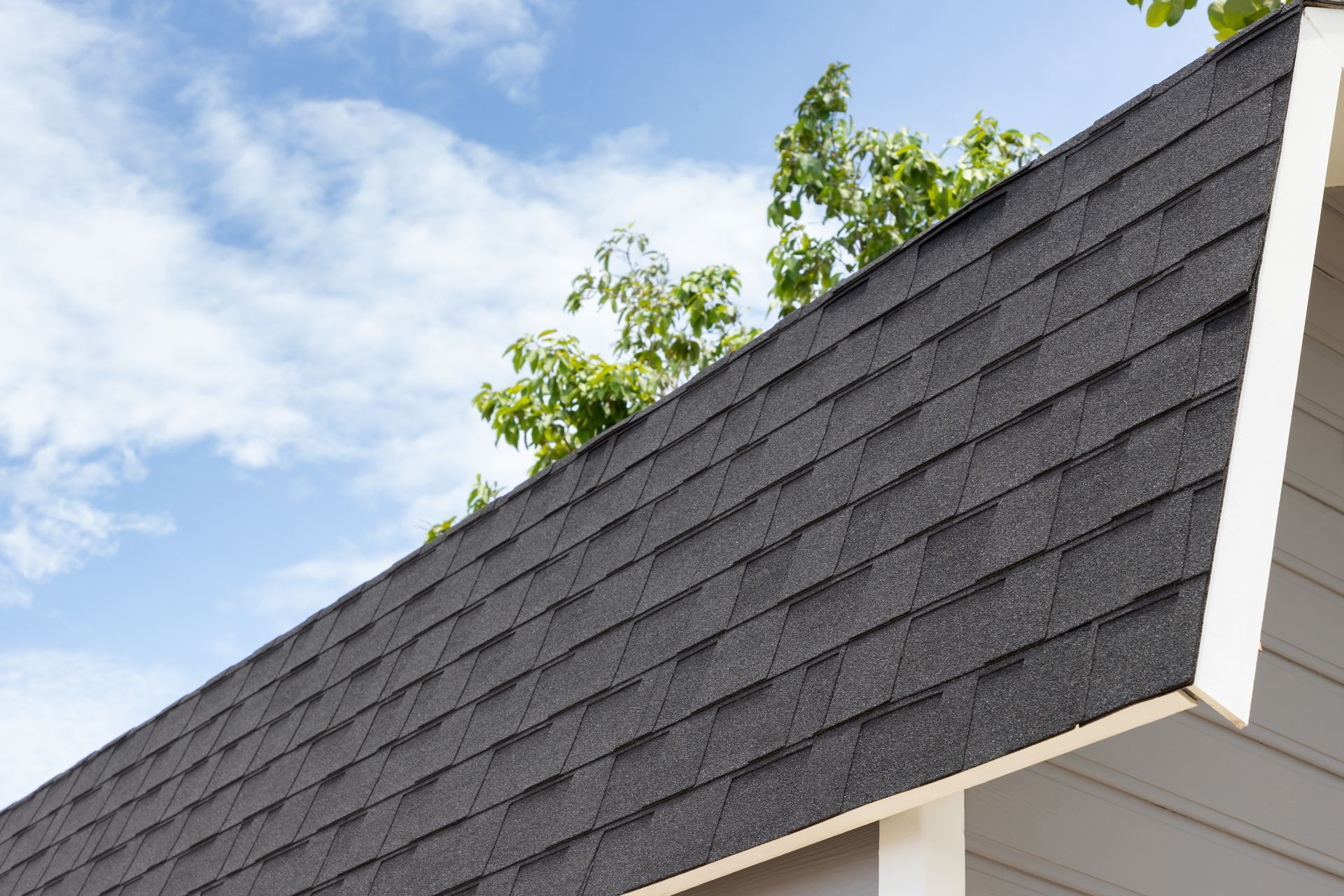
Fiberglass asphalt shingles are widely used in residential roofing applications. They consist of a fiberglass mat base coated with asphalt and protective mineral granules. This structure allows the shingles to resist moisture penetration while maintaining flexibility under temperature changes.
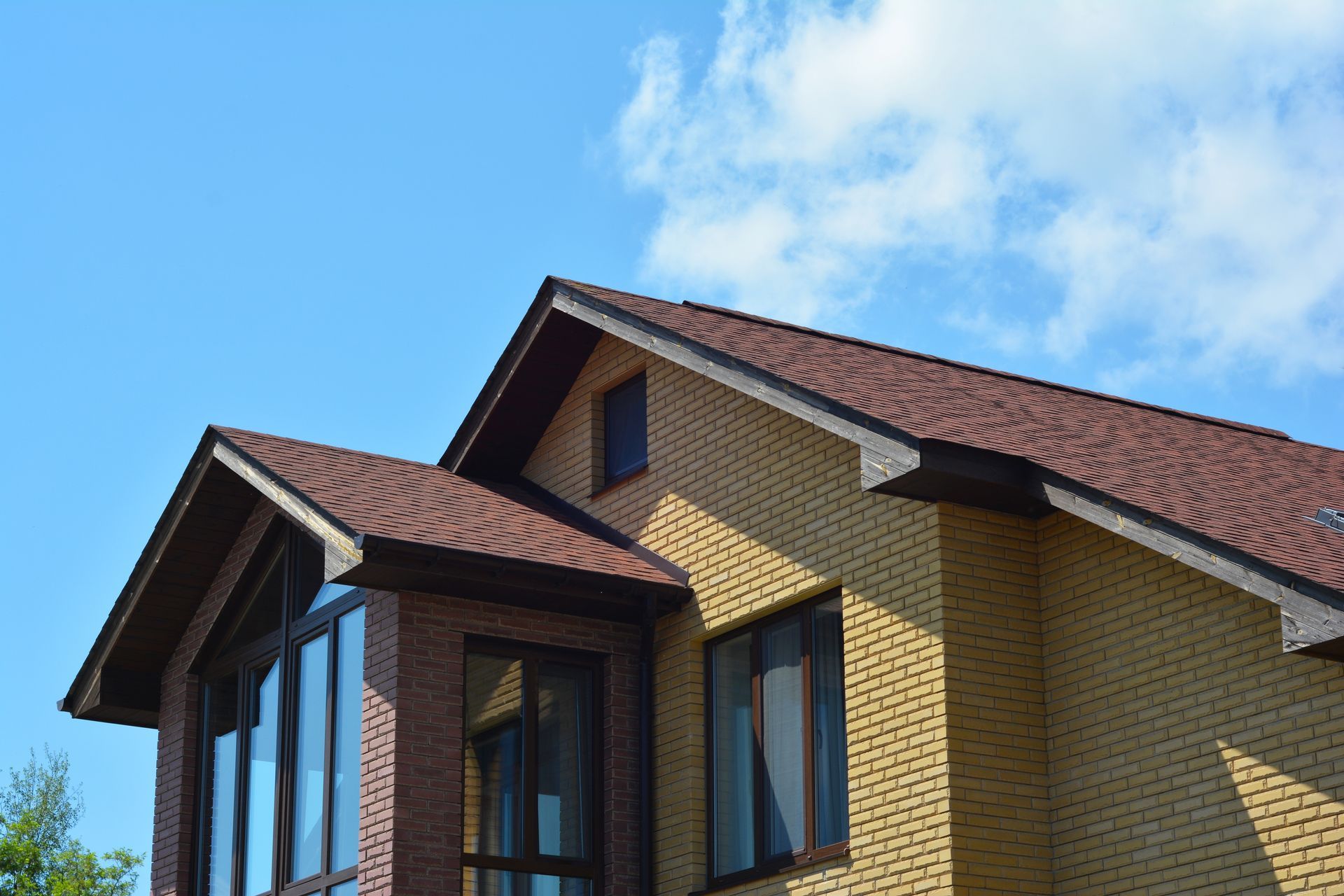
Architectural shingles are a layered variation of asphalt roofing that provides increased thickness and dimensional appearance. These shingles are designed to enhance structural resilience by offering additional material density, which improves resistance to wind uplift and surface wear.
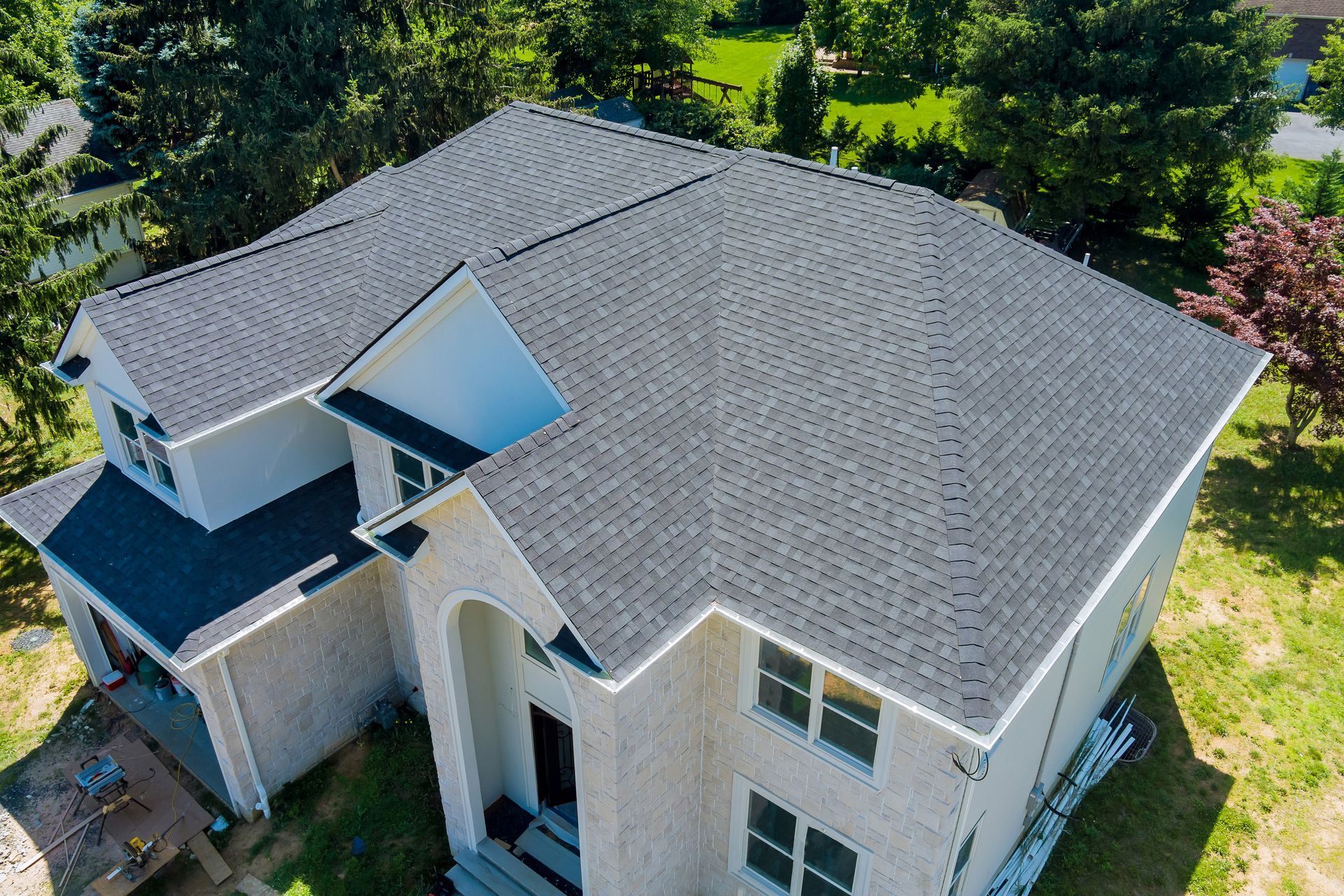
Laminated asphalt roofing systems combine multiple layers of asphalt-coated materials to create a reinforced surface. These systems are commonly used in areas where extended durability and improved weather resistance are required. In High River, laminated systems are often selected for roofs exposed to higher wind or snow accumulation levels.
Asphalt Roofing Installation Process in High River, Okotoks, & Diamond Valley, AB
The installation of asphalt roofing systems in High River, Okotoks, & Diamond Valley, AB follows a structured process that ensures alignment, waterproofing, and structural consistency. Each stage is completed in sequence to maintain roofing integrity.
Roof Surface Preparation and Inspection
Before asphalt shingles are installed, the roof surface is inspected to ensure structural readiness. The roof deck is evaluated for stability, and any irregularities are corrected. A clean, level surface is essential for proper adhesion and alignment of asphalt roofing materials.
Underlayment Application
An underlayment layer is installed across the roof deck to provide a secondary moisture barrier. This layer supports the asphalt shingles by preventing water infiltration and improving thermal resistance. Proper placement ensures consistent coverage across all roof sections.
Starter Strip Installation
Starter strips are installed along roof edges to establish the foundation for the first row of shingles. This step is critical in maintaining proper alignment and preventing wind uplift along roof perimeters. The starter layer also contributes to the sealing of edge transitions.
Asphalt Shingle Placement
Shingles are installed in overlapping rows beginning from the lower edge of the roof and progressing upward. Each shingle is positioned to ensure uniform spacing and consistent exposure. This overlapping design allows water to flow downward without penetrating the roofing surface.
Ridge and Hip Sealing
The final stage of installation involves sealing ridge lines and hip areas where roof planes meet. Specialized shingles or ridge caps are installed to protect these high-exposure areas from wind and moisture intrusion.
Climate Considerations for Asphalt Roofing in High River, Okotoks, & Diamond Valley, AB
Asphalt roofing systems in High River, Okotoks, & Diamond Valley, AB must be installed with careful consideration of Alberta’s climate conditions, which directly influence roof performance and longevity.
Freeze and Thaw Cycle Impact
High River experiences repeated freeze-thaw cycles throughout the year. These temperature changes can cause expansion and contraction within roofing materials. Asphalt shingles are selected for their flexibility, allowing them to adapt to these changes without significant structural damage when properly installed.
Snow Load Distribution
Roof systems in this region must support seasonal snow accumulation. Asphalt roofing installations are designed with slope efficiency in mind, allowing snow to shed naturally rather than accumulate excessively. Proper installation ensures that load distribution is managed across the roof deck.
Wind Exposure Adaptation
Wind conditions in High River, Okotoks, & Diamond Valley, AB can affect roofing stability, particularly along edges and ridge lines. Asphalt roofing systems are installed with reinforced fastening methods in vulnerable areas to reduce the risk of shingle displacement during high wind events.
Asphalt Roofing Maintenance and Structural Longevity
Maintaining asphalt roofing systems in High River, Okotoks, & Diamond Valley, AB involves periodic evaluation of surface condition, sealing integrity, and structural performance. While asphalt roofs are designed for long-term use, environmental exposure can gradually affect surface materials.
Surface Condition Monitoring
The surface of asphalt shingles is monitored for signs of granule loss, curling, or surface wear. These indicators often reflect natural aging or prolonged exposure to environmental conditions. Regular inspection helps identify changes before they develop into structural concerns.
Seal Integrity Assessment
Seal integrity is critical in asphalt roofing systems, particularly in overlapping shingle areas. Over time, sealing compounds may weaken due to temperature fluctuations. Monitoring these areas helps maintain water resistance across the roofing surface.
Flashing and Edge Evaluation
Flashing components around chimneys, vents, and roof edges are evaluated for alignment and sealing performance. These areas are essential for preventing water intrusion and require careful attention during both installation and long-term maintenance cycles.
Roof Performance and Installation Quality Factors
The performance of an asphalt roofing system in High River, Okotoks, & Diamond Valley, AB is directly influenced by installation accuracy, material quality, and structural alignment. Each element of the roofing system must function together to maintain durability under local environmental conditions.
Material Alignment Consistency
Proper alignment ensures that shingles overlap correctly, allowing water to flow off the roof surface efficiently. Misalignment can create weak points that affect water resistance and structural performance.
Fastening Accuracy and Placement
Fasteners are applied in specific locations to secure shingles to the roof deck. Correct placement ensures that shingles remain stable under wind and load conditions while maintaining surface uniformity.
Ventilation Integration
Roof ventilation systems are integrated into asphalt roofing installations to regulate temperature and moisture levels within the attic space. This helps reduce internal condensation and supports overall roofing system stability.
Final Inspection and Completion of Asphalt Roofing Projects
Once asphalt roofing installation is completed in High River, Okotoks, & Diamond Valley, AB, a final inspection is conducted to verify that all components have been properly installed and aligned.
Surface Verification Review
The roofing surface is reviewed for uniformity, proper shingle placement, and consistent overlap patterns. This ensures that the roofing system is visually and structurally complete.
Structural Assessment Confirmation
A structural assessment is conducted to confirm that the roof deck and installed materials function as a unified system. This includes checking fastening stability and overall roof integrity.
Project Completion Cleanup
After inspection, the site is cleared of construction materials and debris. The completed asphalt roofing system is then prepared for long-term service under High River’s environmental conditions.