Introduction to Metal Roofing in High River, Okotoks, & Diamond Valley, AB
Metal roofing in High River, Okotoks, & Diamond Valley, AB is a structural roofing solution commonly used for residential, commercial, and agricultural buildings that require long-term resistance to environmental stress. Highwood Roofing provides metal roofing installation and replacement services throughout High River, Okotoks, & Diamond Valley, AB, focusing on precise installation methods aligned with regional construction requirements.
Metal roofing systems are engineered using interlocking panels or sheets designed to create a continuous protective surface over a building structure. In High River, Okotoks, & Diamond Valley, AB, where roofs are exposed to snow accumulation, freeze-thaw cycles, and seasonal wind conditions, metal roofing is often selected for its structural rigidity and ability to shed precipitation efficiently when installed with correct slope alignment.
The installation process requires detailed preparation of the roof structure, accurate panel alignment, and secure fastening systems that account for thermal movement and long-term exposure to weather fluctuations.
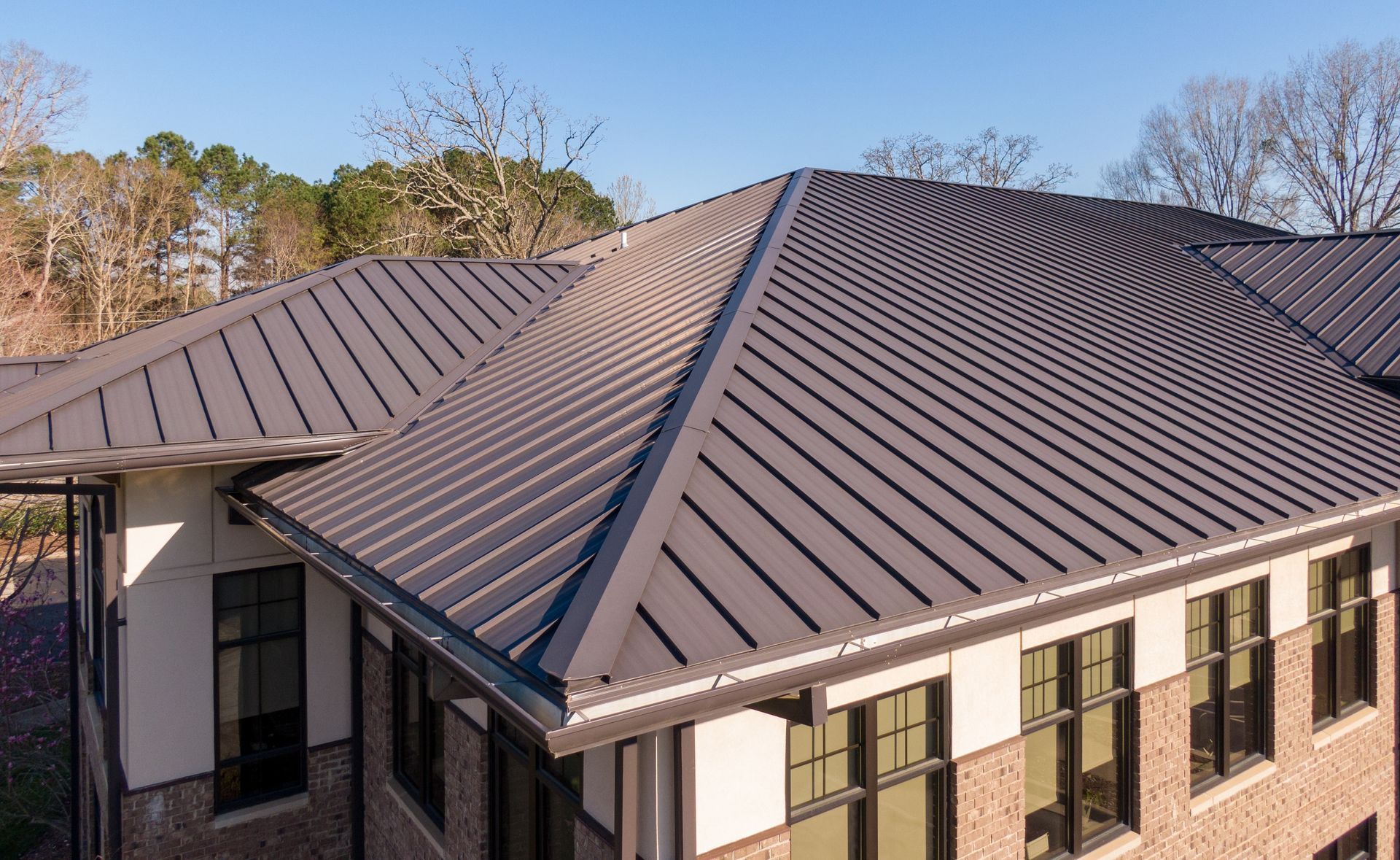
Metal Roofing System Types and Structural Composition
Serving High River, Okotoks, & Diamond Valley, AB
Metal roofing systems used in High River, Okotoks, & Diamond Valley, AB are manufactured using different materials and design configurations depending on structural requirements and architectural design.
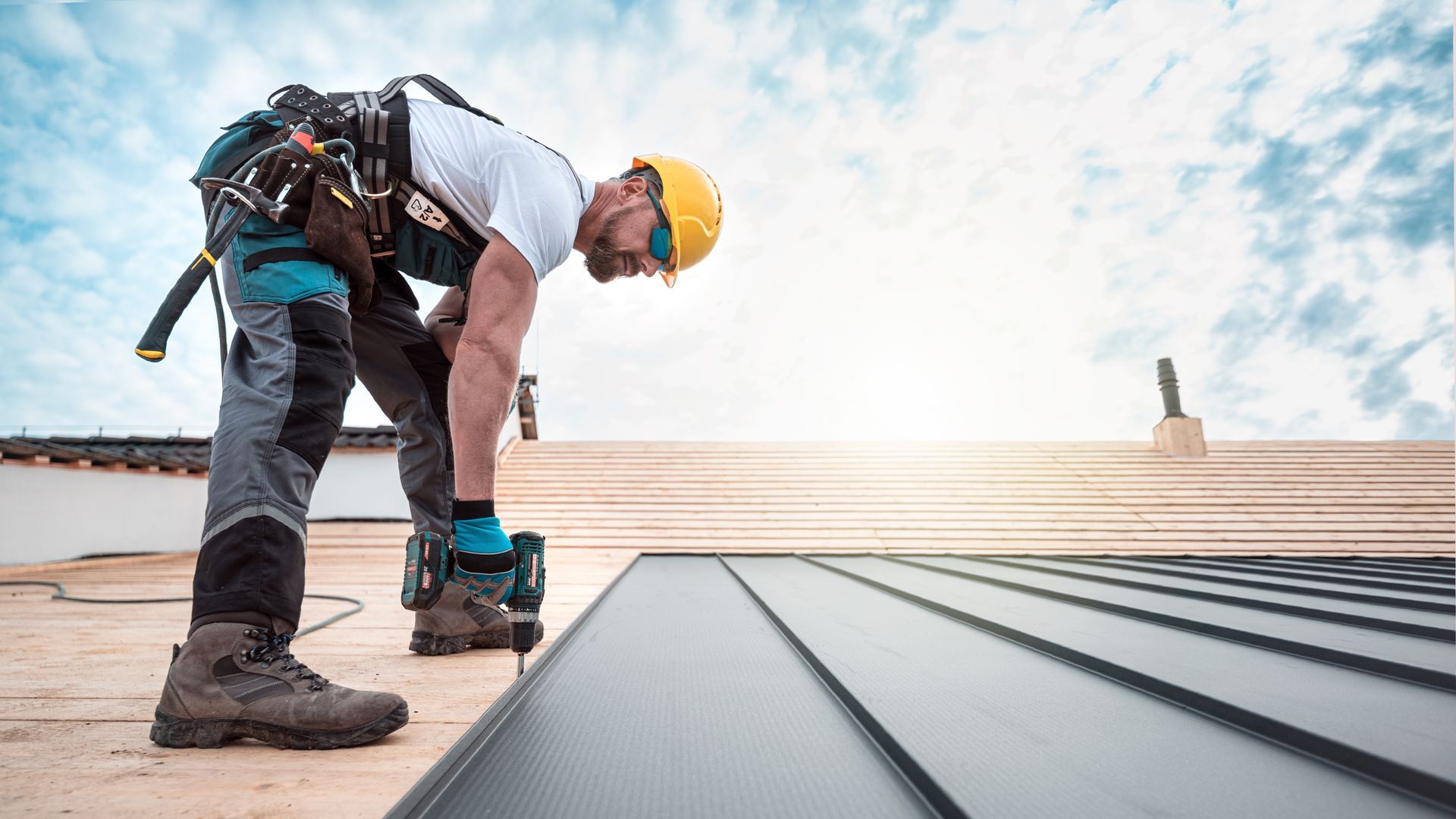
Steel roofing is one of the most commonly used metal roofing materials. It is manufactured with protective coatings that resist corrosion and environmental wear. In High River, Okotoks, & Diamond Valley, AB, steel panels are often selected for their compatibility with both steep-slope and low-slope roofing systems, depending on installation design.
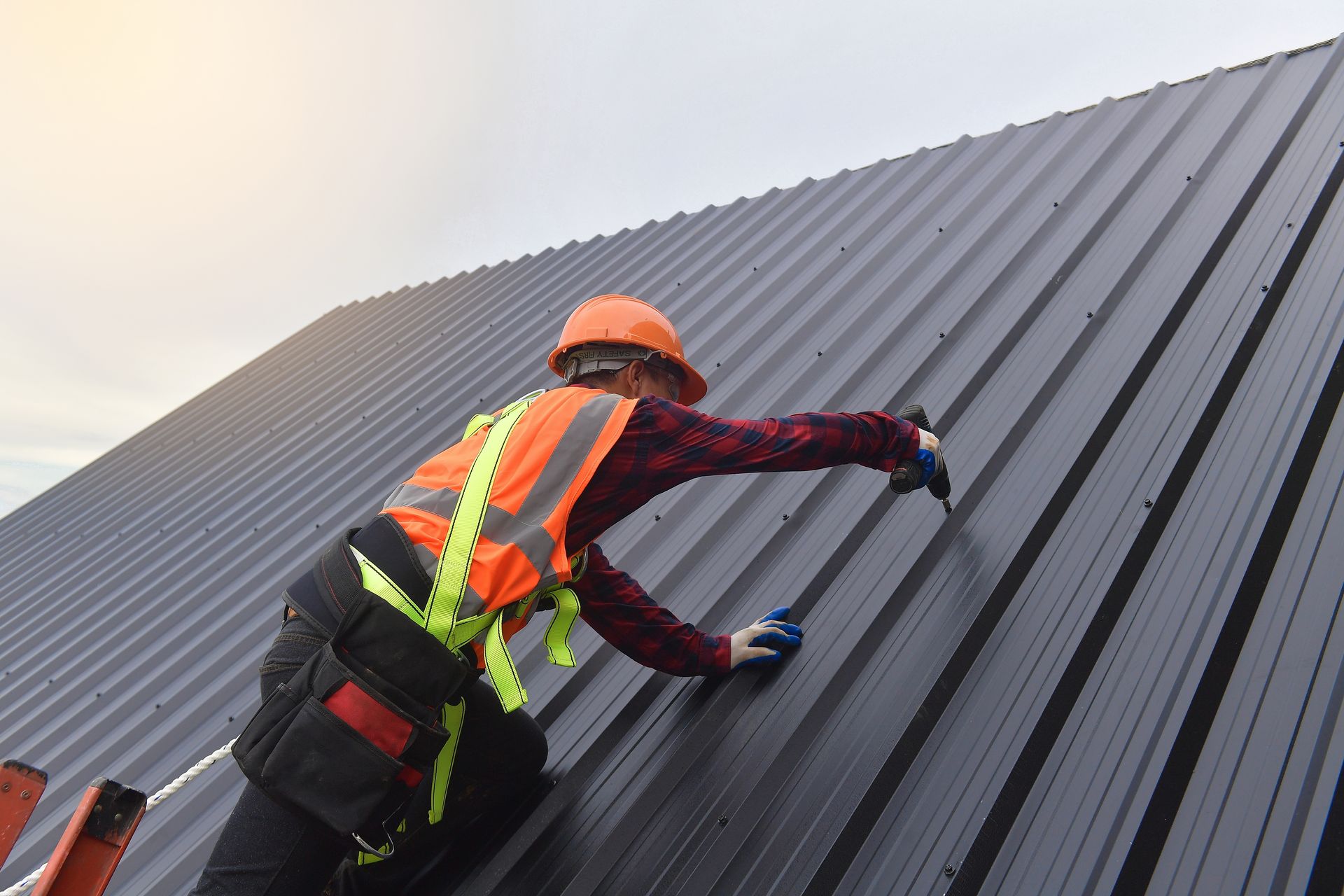
Aluminum roofing is a lightweight alternative used in structures where reduced load weight is a consideration. This material naturally resists corrosion, making it suitable for environments with frequent moisture exposure. Aluminum systems are typically installed with specialized fastening methods to accommodate expansion and contraction.
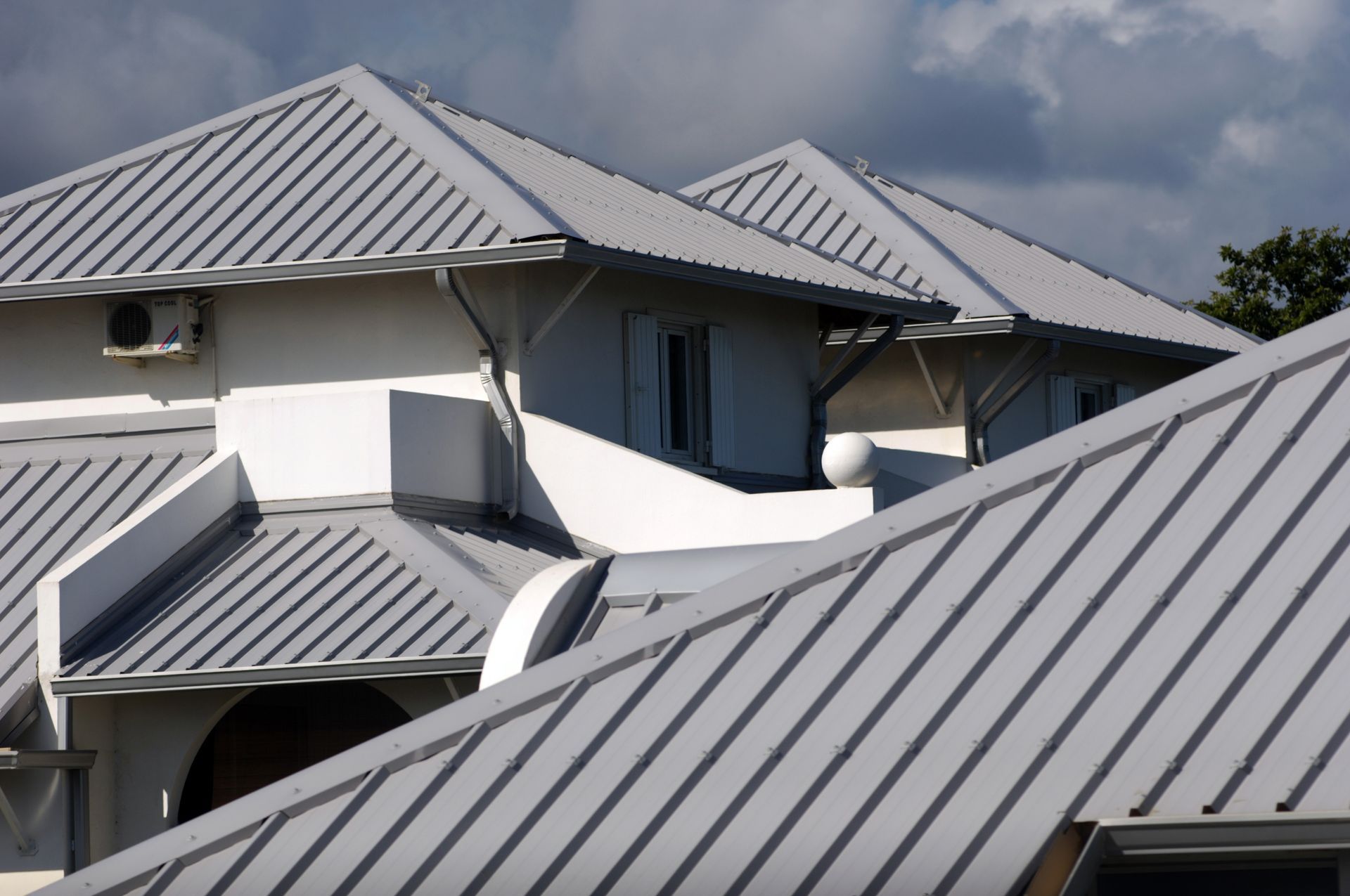
Standing seam systems are constructed using vertically oriented panels with raised interlocking seams. These seams are designed to conceal fasteners and create a continuous water-shedding surface. In High River, Okotoks, & Diamond Valley, AB, standing seam systems are frequently installed on residential and commercial properties requiring structured drainage performance.
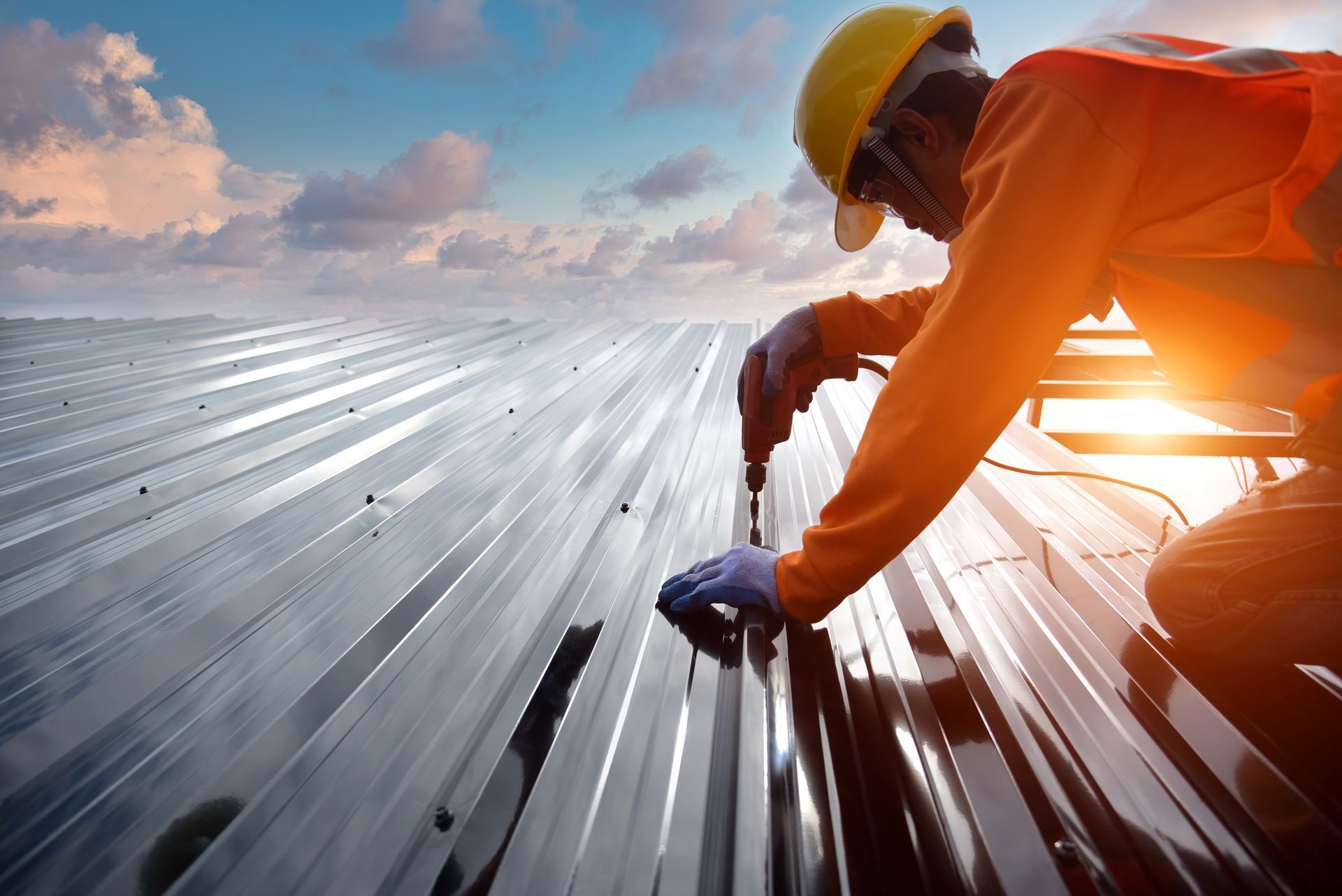
Metal Roofing Installation Process in High River, Okotoks, & Diamond Valley, AB
The installation of metal roofing in High River, Okotoks, & Diamond Valley, AB follows a structured sequence that ensures proper alignment, fastening accuracy, and system integrity across all roof sections.
Roof Deck Preparation and Evaluation
Before installation begins, the roof deck is evaluated for structural soundness. This includes checking for level consistency, load-bearing capacity, and surface stability. Any irregularities in the deck structure are addressed to ensure a suitable base for metal panel installation.
Underlayment and Moisture Barrier Placement
A protective underlayment is installed across the roof surface to serve as a secondary moisture barrier. This layer supports the metal roofing system by reducing condensation impact and providing an additional layer of separation between the roof deck and exterior panels.
Panel Layout and Alignment Planning
Metal roofing panels are measured and positioned according to roof dimensions, slope design, and architectural layout. Proper alignment ensures that panels interlock correctly and maintain consistent spacing across the roof surface. This stage also accounts for ridge lines, valleys, and roof penetrations.
Fastening and Panel Installation
Metal panels are secured to the roof structure using fastening systems designed to accommodate movement caused by temperature changes. Fasteners are positioned at designated points to maintain structural stability while allowing the material to expand and contract without distortion.
Sealing of Joints and Edges
Sealing is applied to critical connection points such as ridges, valleys, and flashing areas. These sealed zones help maintain structural continuity and reduce exposure to moisture infiltration at transition points between roofing sections.
Climate Adaptation of Metal Roofing in High River, Okotoks, & Diamond Valley, AB
Metal roofing systems installed in High River must be designed to withstand Alberta’s seasonal climate variations, including temperature shifts, snow accumulation, and wind exposure.
Snow Shedding Performance
Metal roofing surfaces are designed with smooth panel structures that allow snow to slide off more efficiently compared to other roofing materials. In High River, Okotoks, & Diamond Valley, AB, slope design and panel alignment play a key role in managing snow load distribution across the roof surface.
Thermal Expansion and Contraction Management
Temperature changes in Alberta can cause roofing materials to expand and contract. Metal roofing systems are installed with fastening techniques that allow controlled movement, reducing structural stress on panels and connection points.
Wind Resistance Considerations
Wind exposure in High River, Okotoks, & Diamond Valley, AB can affect roof surface stability, particularly along edges and elevated sections. Metal roofing systems are secured with reinforced fastening patterns to maintain panel alignment and reduce movement under wind pressure.
Structural Detailing and Roofing Integration
Metal roofing installation in High River, Okotoks, & Diamond Valley, AB requires integration with building components such as ventilation systems, drainage channels, and structural transitions.
Roof Penetration and Flashing Integration
Areas where vents, chimneys, or skylights intersect with the roofing system require detailed flashing installation. Flashing is shaped and secured to create a sealed transition between metal panels and structural openings.
Ventilation System Coordination
Roof ventilation is integrated into metal roofing systems to regulate attic temperature and moisture levels. Proper airflow design supports structural stability by reducing condensation buildup beneath roofing panels.
Drainage and Water Channeling Design
Metal roofing systems rely on slope efficiency and panel alignment to guide water flow toward gutters and drainage systems. Proper installation ensures that water is directed away from structural joints and foundation areas.
Metal Roofing Performance Factors in High River
The long-term performance of metal roofing in High River, Okotoks, & Diamond Valley, AB depends on installation accuracy, material selection, and structural compatibility with the building framework.
Panel Locking and Structural Continuity
Interlocking panel systems must be installed with precision to maintain continuous surface coverage. Proper locking mechanisms ensure that panels remain aligned under environmental pressure and structural movement.
Fastener Placement Consistency
Fasteners must be placed at designated structural points to secure panels without restricting necessary thermal movement. Incorrect placement can lead to surface distortion or reduced structural stability over time.
Surface Coating Integrity
Metal roofing panels are coated with protective layers that resist corrosion and environmental exposure. Maintaining coating integrity during installation is essential for preserving long-term material performance in High River’s climate conditions.
Final Inspection and Completion of Metal Roofing Projects
After installation is completed, a structured inspection process is conducted to confirm that the metal roofing system meets installation and structural standards.
Surface Alignment Verification
The installed panels are reviewed for consistent alignment, secure interlocking, and uniform spacing. This ensures that the roofing surface functions as a continuous system without structural irregularities.
Structural Security Assessment
Fastening systems and connection points are evaluated to confirm stability under load conditions. This includes verifying that all panels are properly secured to the roof structure.
Completion Cleanup and Site Restoration
Once inspection is complete, the work area is cleared of construction materials and debris. The metal roofing system is then finalized for long-term performance under the environmental conditions of High River, Okotoks, & Diamond Valley, AB